Copper Oxide in Ceramics, Glass & Pigments
How 99.9% pure CuO delivers rich green colour shades across Pakistan's glass, tile, and coating industries
What Makes Copper Oxide a Master Colourant?
Copper oxide (CuO) — also known as cupric oxide — is a fine black powder that has coloured human creations for thousands of years. When introduced into a glass melt or ceramic glaze, it undergoes a remarkable transformation: depending on the atmosphere inside the kiln and the base materials used, it produces colours ranging from soft jade greens to deep turquoise blues and even rich reds.
At Sulman Traders we manufacture copper oxide at 99.9% purity — the benchmark demanded by serious ceramicists, glass manufacturers, and industrial coatings producers across Pakistan and beyond. Higher purity means more consistent, predictable colour; less purity means batch-to-batch variation and waste.
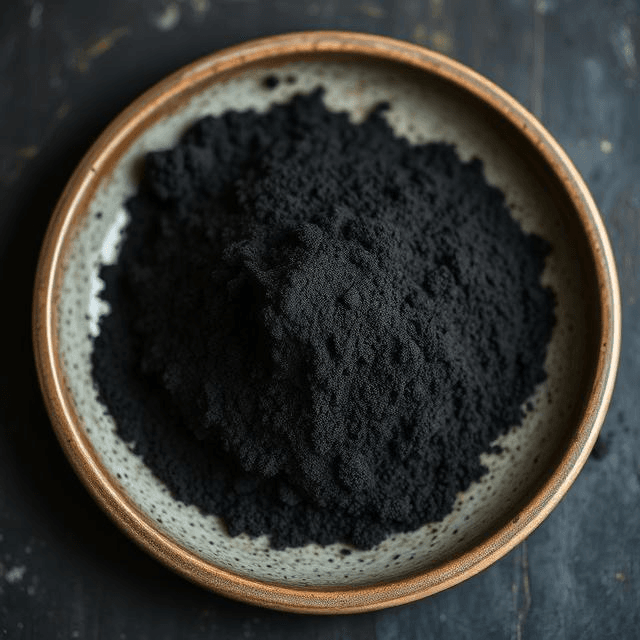
99.9% pure copper oxide (CuO) — the black powder that creates brilliant green and turquoise shades in glass and ceramics
1. Ceramic Glazes — Bringing Colour to Clay
Ceramics is one of the oldest and most important markets for copper oxide. When added to a ceramic glaze at concentrations of 1–5%, CuO yields a broad palette of greens — from pale celadon to saturated emerald — making it indispensable for:
- Decorative pottery and tableware glazes
- Architectural ceramic cladding panels
- Sanitaryware and bathroom fittings
- Artisan studio pottery produced across Sindh and Punjab
- Export-quality blue-and-green Multani pottery
Because our CuO is milled to a consistent particle size distribution, glaze batches dissolve uniformly, reducing pin-holing and crawling defects that plague lower-grade material.
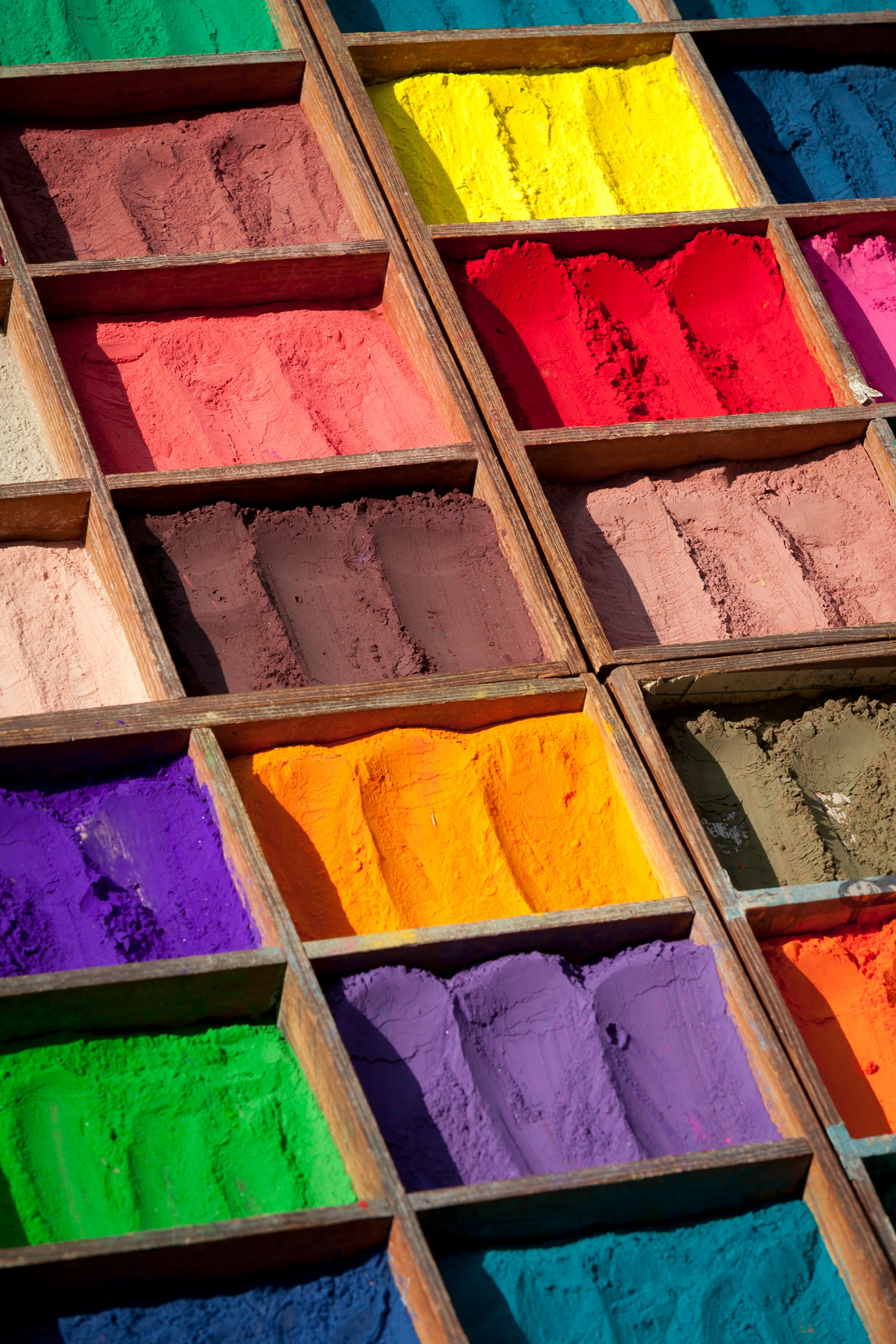
CuO pigment dissolved into a ceramic glaze batch
2. Glass Bangles of Hyderabad — Pakistan's Colourful Heritage
Hyderabad, Sindh is world-famous for its hand-crafted glass bangles — a centuries-old cottage industry that still exports millions of pieces every year. The vivid green bangles that define the craft owe their colour almost entirely to copper oxide.
Artisan glassmakers melt silica sand with soda ash and introduce small, precisely weighed quantities of CuO into the molten glass. The result is a glass-green colour that ranges from light mint to deep bottle-green depending on:
- CuO concentration — 0.5% for pale greens, up to 3% for rich emerald
- Furnace atmosphere — oxidising conditions favour greens and blues; reducing conditions shift towards reds
- Base glass composition — lead crystal vs. soda-lime vs. borosilicate each interact differently with copper ions
Because the bangle industry operates at small batch scale, 99.9% purity is not a luxury — it is a necessity. Even trace iron or manganese impurities in lower-grade CuO will muddy the green and produce inconsistent lots.
3. Architectural Glass Tinting & Coloured Glass Production
Beyond bangles, copper oxide is a key raw material in industrial glass tinting — the process used to produce coloured flat glass for windows, doors, decorative partitions, and solar-control glazing.
Green & Teal Colour Shades
Copper oxide is the primary colourant for green, teal, and turquoise glass. Whether you are producing decorative stained glass panels, green bottle glass, or solar-reflective architectural glazing, CuO is the industry standard.
Glass manufacturers value our copper oxide because:
- High purity ensures colour reproducibility across production runs of thousands of square metres
- Fine particle size promotes rapid, complete dissolution in the glass melt at 1 400 °C
- Consistent bulk density simplifies weighing and batching operations
4. Tiles & Marble — Colour That Endures
Pakistan's tile and marble industry is one of the largest in Asia. Copper oxide serves two distinct roles in this sector:
- Surface glazes on wall and floor tiles — CuO-doped glazes deliver matte and glossy green finishes that resist fading for decades
- Veining pigment in engineered marble — dispersed in polyester or acrylic resin, copper oxide produces realistic green mineral veins in synthetic marble slabs used in countertops and flooring
Unlike organic pigments that bleach under UV exposure, copper oxide is completely inorganic and chemically inert after firing — the colour is permanent.
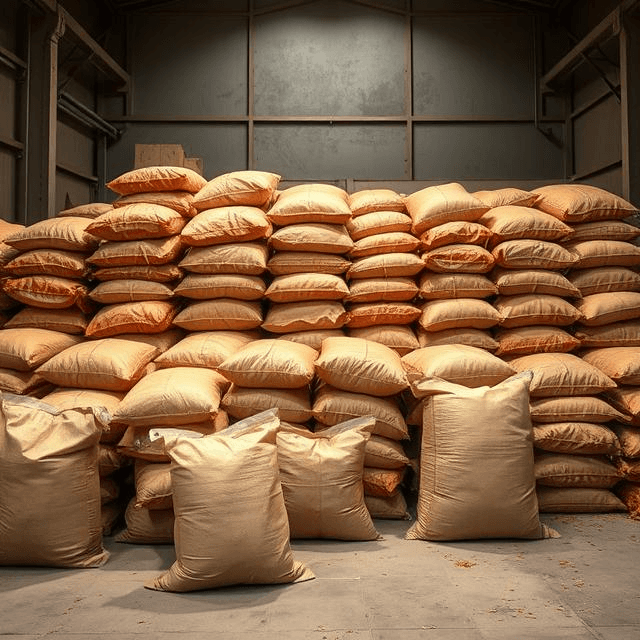
Bagged CuO ready for despatch to tile manufacturers
5. Electroplating — Building the Copper Foundation
In electroplating, copper metal is deposited onto substrates (steel, aluminium, PCBs, jewellery) to improve conductivity, corrosion resistance, or aesthetics. Copper oxide is used as the starting material to prepare copper electrolyte solutions because it dissolves cleanly in sulphuric or cyanide-based baths:
- Acid copper sulphate baths — CuO dissolves in dilute H₂SO₄ to replenish depleted copper ion concentration with zero introduction of foreign metal contaminants
- Alkaline cyanide baths — copper oxide is the preferred make-up chemical for initial bath preparation
- Copper strike layers — the ultra-pure copper deposited from a CuO-sourced bath gives excellent adhesion for subsequent nickel or chrome plating
Because even parts-per-million levels of lead, iron, or arsenic will ruin an electroplating bath, 99.9% purity copper oxide is the only grade acceptable to serious plating shops.
6. Antifouling Paints — Protecting Hulls & Marine Structures
Marine fouling — the growth of barnacles, algae, and molluscs on underwater surfaces — costs the shipping industry billions of dollars annually in extra fuel consumption and dry-dock maintenance. Copper oxide is the active ingredient in the majority of antifouling paints worldwide.
When applied to a ship's hull, dock pilings, or fishing nets, CuO slowly releases copper ions into the surrounding water. These ions are toxic to marine micro-organisms at very low concentrations, preventing them from establishing colonies without harming larger marine life. Key benefits:
- Proven effectiveness for 24–60 month service intervals
- Compatible with most marine paint binders (vinyl, epoxy, ablative)
- Cost-effective compared to tin-based (TBT) alternatives now banned internationally
- Used on commercial ships, fishing vessels, and port infrastructure
7. Industrial Colour Material & Specialty Coatings
Beyond the applications above, copper oxide finds a home in a wide range of specialty colourant and coating formulations:
- Enamel frits — for appliance finishes and cookware coatings
- Powder coatings — green-toned decorative powder coatings for furniture and architectural metalwork
- Concrete & grout pigments — fade-resistant inorganic green colouring for outdoor concrete surfaces
- Artist's ceramic stains — studio potters use CuO directly as a raw glaze colourant or mixed into commercial stain preparations
Why 99.9% Purity Matters — A Buyer's Guide
Not all copper oxide is created equal. Here is what to look for when sourcing CuO for colour-critical applications:
| Parameter | Sulman Traders (99.9%) | Standard Grade (98–99%) |
|---|---|---|
| CuO Assay | ≥ 99.9% | 98–99% |
| Colour consistency | Excellent — batch to batch | Variable |
| Iron impurity | < 20 ppm | 100–500 ppm |
| Lead impurity | < 5 ppm | 50–200 ppm |
| Best suited for | Glass, electroplating, pharma | General industrial |
Conclusion
Copper oxide is far more than a simple black powder — it is the hidden colourant behind Pakistan's iconic glass bangles, the pigment that gives ceramic tiles their lasting green hues, the active ingredient protecting ships' hulls, and the chemical backbone of precision electroplating. Its versatility, permanence, and cost-effectiveness make it irreplaceable across a remarkable range of industries.
Sulman Traders manufactures 99.9% pure copper oxide in Pakistan and supplies it in standard 25 kg bags and bulk quantities to customers across the country and internationally. If you need consistent colour, trust the purity.
Visit our Copper Oxide product page or contact us for pricing and technical data sheets.